

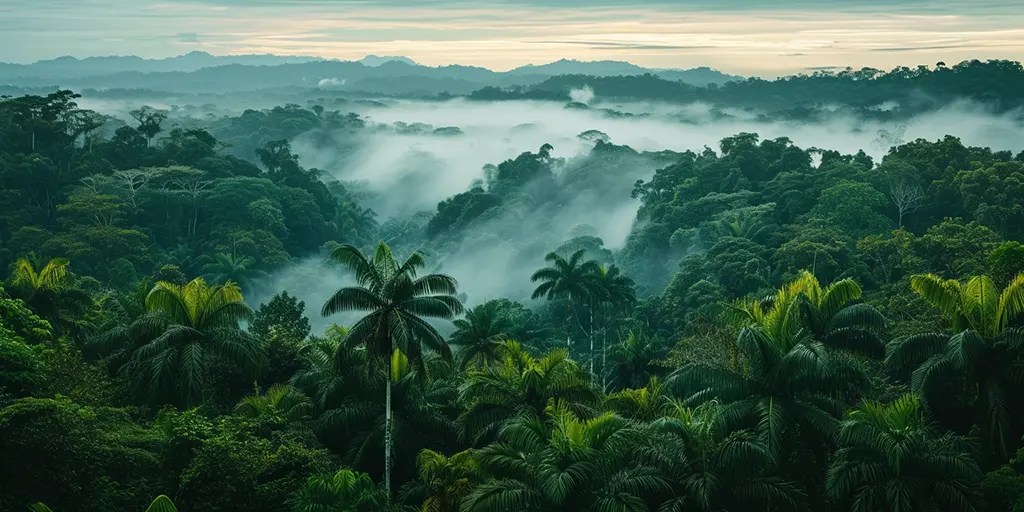
The irony of the climate alarmists' narrative is as great as the green deserts they never saw coming. There was once a time when the world was about to be swallowed up by an ever-expanding Sahara, and desertification was hailed as “the greatest environmental challenge of our time.” Today, the alarmists have once again changed their minds and are now worried about the unexpected greening of those same arid lands. It's a classic case of moving the goalposts, and one can't help but chuckle at the sheer absurdity of it all.
The great panic about desertification
Remember when desertification was the bogeyman of climate change? The story was simple: Human activities, combined with rising temperatures, would lead to the unstoppable spread of deserts around the world. Poor agricultural practices and overgrazing would turn fertile lands into barren wastelands. The alarmists painted a picture of a world where sand dunes would swallow entire cities and humanity would wander like nomads in search of water. But then, on the road to the apocalypse, something strange happened. Deserts didn't expand as predicted. In fact, many of them began to green up. Yes, you read that right. The very regions that were supposed to dry up and blow away are now experiencing a surge in vegetation growth. It's almost as if Mother Nature decided to play a little trick on those who thought they had her figured out.
CO2: The unlikely hero
Enter carbon dioxide, the villain in the climate change saga. For years, CO2 was demonized as the main driver of global warming. But in a twist worthy of a Hollywood blockbuster, it turns out that this much-maligned gas also plays a key role in greening the world's drylands. As CO2 levels have risen, the rate of photosynthesis has also increased, allowing plants to thrive in even the harshest environments. This phenomenon, known as CO2 fertilization, has led to increased vegetation productivity in vast drylands. Of course, alarmists cannot leave this unexpected blessing unchallenged. Instead of celebrating the positive effects of CO2 on plant growth, they have shifted their focus to the potential downsides. They warn that the extra vegetation could soak up scarce water supplies, disrupt local ecosystems and even increase the risk of wildfires. It's as if they're determined to find a cloud in every silver lining.
Focus on greening issues
With desertification no longer the existential threat it once was, climate alarmists have had to pivot again. Now, the focus is on the potential dangers of greening. The fear is that as vegetation increases, drylands could lose their unique biodiversity. Specialized species that have adapted to dry conditions could be displaced by fast-growing plants that are better adapted to the new, CO2-rich environment.
As we pump more and more CO2 into the air, the greening of dry areas is likely to continue, according to two recent modeling studies. But ecologists warn that despite appearances, greening may also have downsides for dry ecosystems and the people who depend on them. Desert plants and animals will often lose out, and the extra vegetation could soak up scarce water supplies.
Drylands cover about 40 percent of the planet's land area. The deserts at their core are surrounded by vast savannas, dry forests and sometimes irrigated fields. They are home to more than a third of the world's population and are among the most biodiverse ecosystems in the world, according to the International Union for Conservation of Nature, the international organization for conservation scientists.
But let's be honest: desert greening is far from the disaster it is being made out to be. In fact, it is a testament to the resilience of nature and the adaptability of ecosystems. And yet the alarmists seem intent on portraying it as yet another crisis that requires urgent intervention. It is almost as if they cannot bear the thought of a world in which CO2 might actually bring benefits.
The never-ending cycle of alarmism
The irony of the situation is that the climate alarmists' narrative is as adaptable as the ecosystems they claim to defend. When one crisis doesn't happen, they simply pivot to another.
The world was wrong to expect climate change to trigger rapid and widespread desertification in the world's drylands. In fact, the opposite is happening. But it would be just as foolish to think that the dramatic greening now visible on satellite images in many of these regions is a reason to declare the problems over.
It's a never-ending cycle of doom and gloom, with each new threat fitting comfortably into their overarching narrative of impending disaster. But here's the problem: The world is a complex place, and nature doesn't always follow the script. The greening of deserts is a reminder that Earth can surprise us in ways we never imagined. It's a lesson in humility for those who think they have all the answers, and a call to tackle environmental issues with a little more nuance and a lot less hysteria. Ultimately, the irony of the climate alarmists' narrative is that it often overlooks the very resilience and adaptability that make our planet so remarkable. Instead of constantly moving the goalposts to fit a predetermined agenda, perhaps it's time to acknowledge the unexpected ways in which nature can heal and thrive, even in the face of adversity. After all, the world is a greener place than we once thought, and that's something worth celebrating.
Like this:
Load…

Comments are closed.