
Powell means that the Fed won’t wait to chop rates of interest till inflation has fallen to 2%

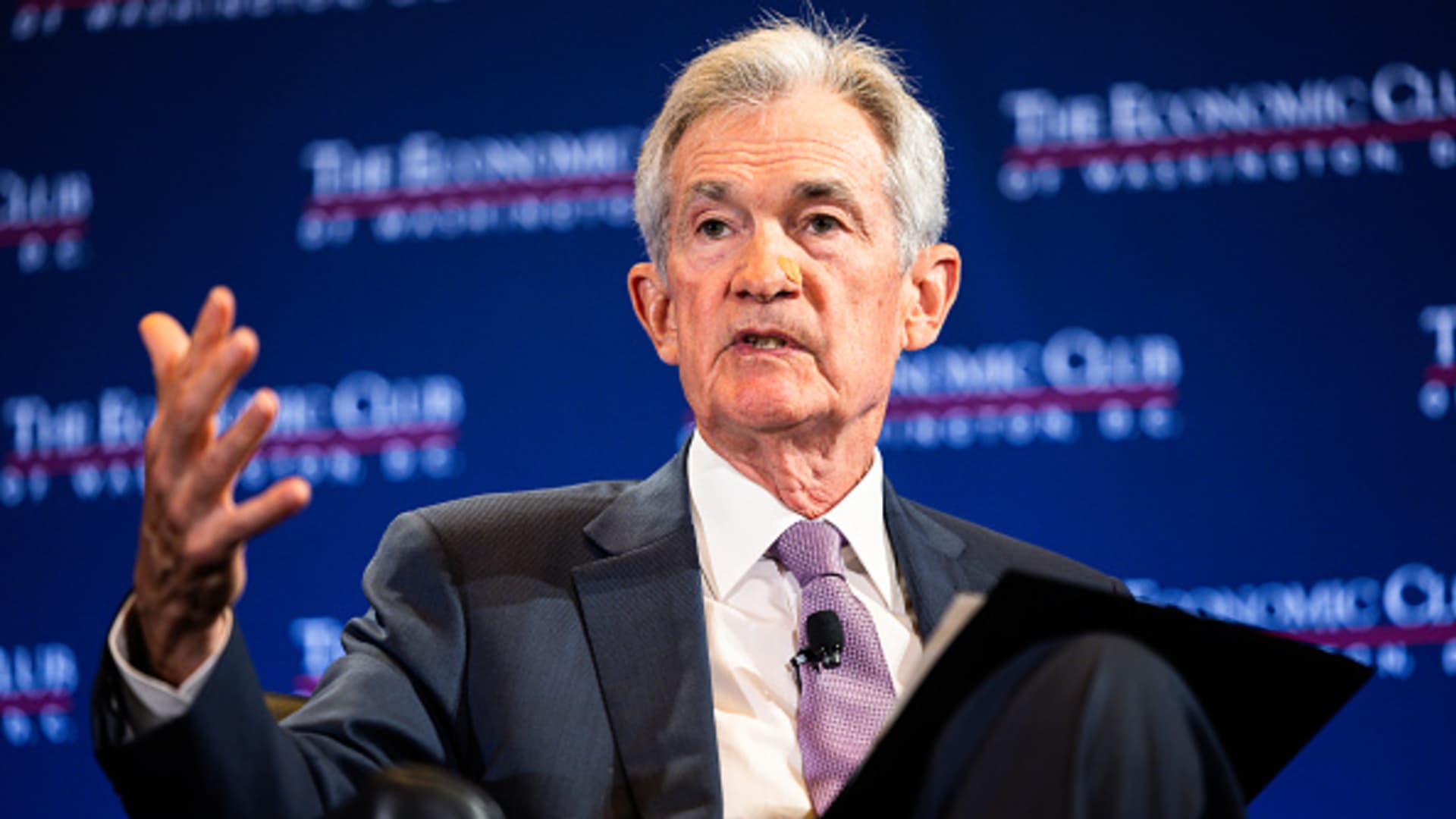
US Federal Reserve Chairman Jerome Powell said on Monday that the central bank would not wait until inflation reached two percent before cutting interest rates.
In his speech to the Economic Club of Washington DC, Powell referred to the idea that central bank policy operates with “long and variable lags” to explain why the Fed would not wait until its goal was achieved.
“The implication of that is that if you wait until inflation is all the way down to 2 percent, you've probably waited too long, because the tightening that you're doing, or the amount of tightening that you're doing, still has effects that are likely to push inflation below 2 percent,” Powell said.
Instead, the Fed expects “greater confidence” that inflation will return to the two percent mark, Powell said.
“What strengthens this confidence in this direction is more good inflation data, and we have had some of that recently,” he said.
Powell also said he did not consider a “hard landing” of the US economy to be “a likely scenario”.
Monday was Powell's first public appearance since the June consumer price index report showed a cooling of inflation and prices actually fell month over month.
Powell said at the beginning of his appearance that he did not want to send any signals about when the Fed might start cutting interest rates. The central bank's next meeting is at the end of July.
Powell made the remarks during a discussion with David Rubenstein, chairman of the Economic Club of Washington, DC and co-founder of the Carlyle Group, where the Fed chairman previously worked.
The target range for the federal funds rate is currently 5.25 to 5.50 percent. During the Covid-19 pandemic, the range was 0 to 0.25 percent, and before the health crisis it was 1.50 to 1.75 percent.
The federal funds rate directly or indirectly affects the cost of money throughout the economy, such as mortgage interest rates.
“People I don't know always say, 'Hey, lower interest rates.' Someone said that in the elevator this morning,” Powell said jokingly.

Comments are closed.