

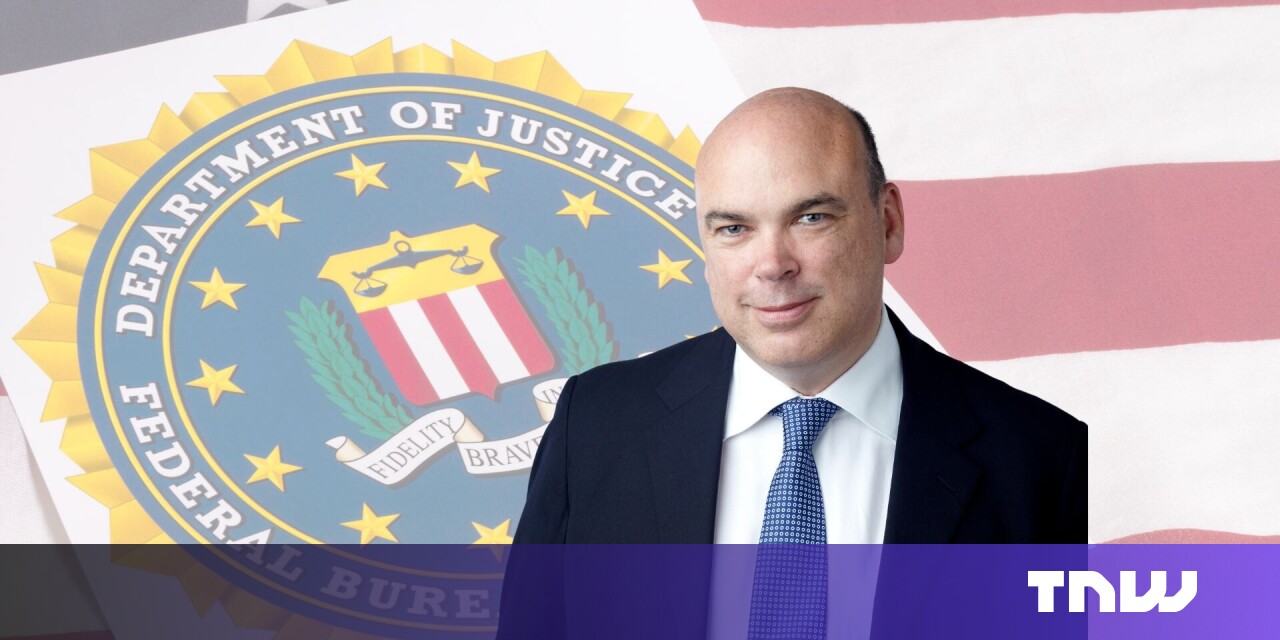
Today Diver the body recovered of technology entrepreneur Mike Lynch from the wreck of his family's superyacht Bayesian, which sank off the coast of Sicily on Monday.
Lynch – sometimes referred to as the “Bill Gates of Britain” – was holidaying in Sicily with his family and friends when the accident occurred. A violent storm caused the Bayesian to capsize and plunge it to the bottom of the Mediterranean within minutes. Of the 22 people on board, seven died, including Lynch and his 18-year-old daughter Hannah.
The tragedy came just two months after a U.S. jury found Lynch not guilty of fraud charges related to HP's $11 billion acquisition of his startup Autonomy in 2011. HP had accused Autonomy's management of inflating the company's valuation ahead of the merger.
Years of arguments in the courtroom followed. In 2023, Lynch was extradited to the USA to stand trial on 14 counts of fraud and conspiracy. If convicted, he could have spent over 20 years behind bars. And yet Mike Lynch managed to prevail against the US Department of Justice and win against all odds.
A botched merger
Lynch founded Autonomy in 1996 and took advantage of the turn-of-the-millennium technology boom to build the company into one of the most successful software companies in the world.
Autonomy specialized in analyzing business data. Powered by machine learning and what Lynch called “adaptive pattern recognition,” the company promised to revolutionize the way companies manage massive amounts of information, from emails to videos.
The technology was based on a statistical method called “Bayesian inference,” developed by mathematician Thomas Bayes in the 18th century. Lynch was such a devoted follower of this school of thought that he later named his family’s superyacht Bayesian.
HP's acquisition of Autonomy in 2011 was one of the UK's biggest tech deals. Yet just a year after the merger, HP wrote off $8.8 billion of Autonomy's value.
The Silicon Valley giant claimed it had been deceived. In a public statement, the company accused Lynch and his team of inflating Autonomy's revenue through accounting tricks and financial manipulation to make the company appear more profitable than it was. It was a claim that would haunt Lynch for the next decade.
Lynch and Stephen Chamberlain, CFO of Autonomy, the died in a car accident on Saturday — denied any wrongdoing. The partners accused HP of mismanaging the acquisition and using them as a scapegoat.
But the damage was done. HP's allegations sparked a full-scale investigation, not only by HP itself, but also by the UK's Serious Fraud Office and the US Department of Justice. Lynch soon found himself facing litigation on both sides of the Atlantic.
The legal maelstrom
Lynch's defense was steadfast. He argued that HP's accusations were based solely on buyer's remorse. HP had failed to properly integrate Autonomy, he claimed, and the write-off was due to internal mismanagement rather than fraud on his part. To Lynch, HP's senior leadership had made poor decisions, and he was being made a scapegoat.
In 2015The British Serious Fraud Office closed his case against Lynch on the grounds of “insufficient evidence”. But in a civil case in London in 2022 Judge ruled in favor of the court HP's allegations, saying Lynch was “well aware” that he had misrepresented Autonomy's financials. But the legal saga reached a new dimension when the US Department of Justice opened criminal proceedings against the British technology entrepreneur.
In 2019, British courts approved Lynch's extradition to the United States to face trial – a rare and highly controversial decision. Mike Lynch was Fear of dying in a US prison. Less than 0.5% of federal criminal cases in the United States end in acquittal.
How Lynch fought back
From day one, Lynch refused, at least publicly, to accept HP's version of events, arguing that Autonomy's finances were solid and that HP's leadership did not understand the complexity of the business.
Lynch's lawyers quickly set about pointing out HP's missteps, emphasizing that key HP executives, including then-CEO Meg Whitman, approved due to a lack of adequate due diligence prior to the acquisition. Lynch's legal team described the debacle not as fraud, but as a colossal failure in post-acquisition integration – a Common mistakes of tech mergers.
A key factor in Lynch's success was his decision to fight extradition to the US. His legal team argued that he should be tried in the UK, where the alleged fraud took place and where Autonomy is based. Lynch used every legal remedy at his disposal to delay the trial.
This strategy bought Lynch crucial time, allowing his legal team to build a robust defense. The longer the extradition proceedings dragged on, the more attention his case received, requiring greater scrutiny of HP and the Justice Department's actions.
One of Lynch's strongest defense arguments was the evidence – or rather the lack of it. Lynch's legal team focused on refuting the Justice Department's claims by casting doubt on the Quality of the evidence presented.
Throughout the trial, Lynch's public relations team worked tirelessly to influence media coverage. Lynch's public stance was clear: he was unfairly targeted by an American legal system seeking a scapegoat.
On June 6, a jury in San Francisco acquitted Mike Lynch of the charges against him, bringing to a close one of Silicon Valley's biggest fraud cases.
“I am pleased with today's verdict and grateful to the jury for their attention to the facts over the past 10 weeks,” Lynch said. said at the time of his acquittal. “My deepest thanks go to my legal team for their tireless work on my behalf. I look forward to returning to the UK and getting back to what I love most: my family and innovation in my field.”
Mike Lynch's decade-long battle with the U.S. Department of Justice will go down in history as one of the most remarkable legal victories in the tech world. He took on a multinational corporation and the full might of the U.S. government and emerged, if not entirely unscathed, certainly victorious.
Unfortunately, his happiness was short-lived. Only two months later Lynch's friends and family, as well as members of his legal and defense teams, celebrated the victory in court aboard the Bayesian before tragedy struck.

Comments are closed.