

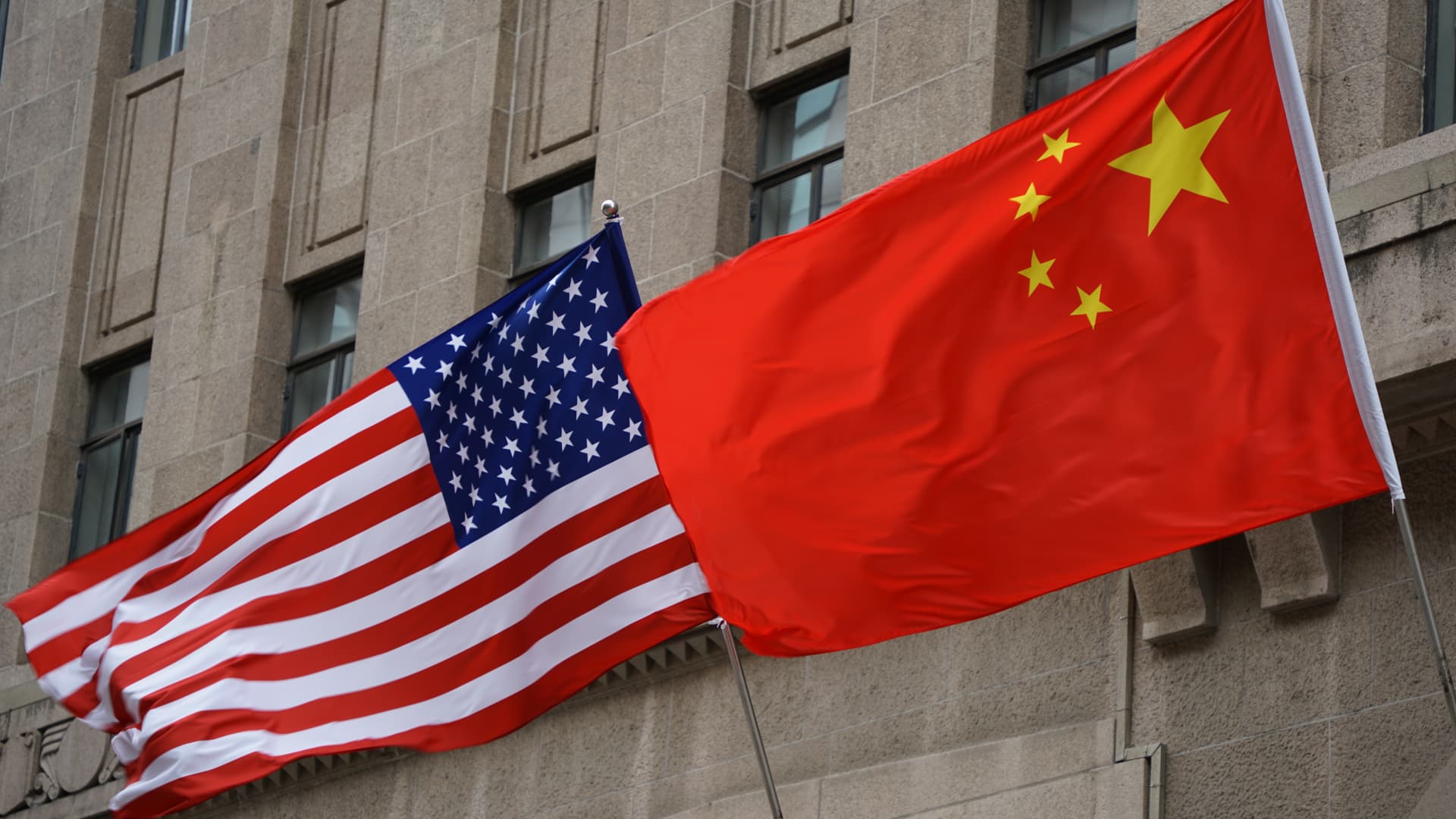
An escalation in trade and tariff tensions between the U.S. and China would have “costly” economic consequences worldwide, Gita Gopinath, deputy managing director of the International Monetary Fund, told CNBC on Wednesday.
“We see geopolitically driven trade all over the world. So if you look at overall trade relative to GDP, it's holding up well, but who's trading with whom is certainly changing,” she said.
The U.S. and China would trade less with each other and some of their trade would be rerouted through other countries, she added.
Trade tensions between the U.S. and China and the European Union and China have increased this year as both the U.S. and EU have imposed higher tariffs on some Chinese goods over what they say are unfair trade practices by Beijing.
China has also announced higher temporary tariffs on some imports from the EU as countermeasures remain in place.
If tariffs were to escalate, IMF modeling suggests it would be “costly for everyone,” Gopinath told CNBC's Karen Tso on the sidelines of the agency's annual meeting in Washington.
“Production will be much lower than we forecast for all countries in the world. There will be pressure on inflation, so that is not the direction we should go,” she explained.
Gopinath's comments came after IMF Managing Director Kristalina Georgieva said last week that international trade would no longer be the “engine of growth” it once was and that “retaliatory measures” in trade would harm those who enforce them. could be just as damaging as their goals.
Tim Adams, CEO of the Institute of International Finance, also warned on Wednesday that US presidential candidate Donald Trump's tariff proposals could interrupt the path of disinflation and lead to higher interest rates.
The IMF's Gopinath said it would benefit both the US and China to have “good working relations” and noted that it was important for the rest of the world too.
It is “in everyone’s interest that these relationships are maintained,” she said.
The IMF warned in its latest World Economic Outlook report that increasing protectionist policies pose a downside risk to growth.
“A broad withdrawal from a rules-based global trading system is prompting many countries to take unilateral action. Tightening protectionist policies would not only exacerbate global trade tensions and disrupt global supply chains, but could also create strains in medium-term growth prospects,” the report said.
—CNBC's Jenni Reid contributed to this story

Comments are closed.