

Investors are waiting for inflation to pick up, but the consumer price index is likely to rise only slightly in January, fueled by rising gasoline prices.
According to the Dow Jones, economists expect the index to rise by 0.3%, a measure of inflation or a year-on-year increase of 1.5%. Excluding food and energy, an increase of 0.1% is forecast.
The CPI report is expected to be released on Wednesday at 8:30 a.m. (CET).
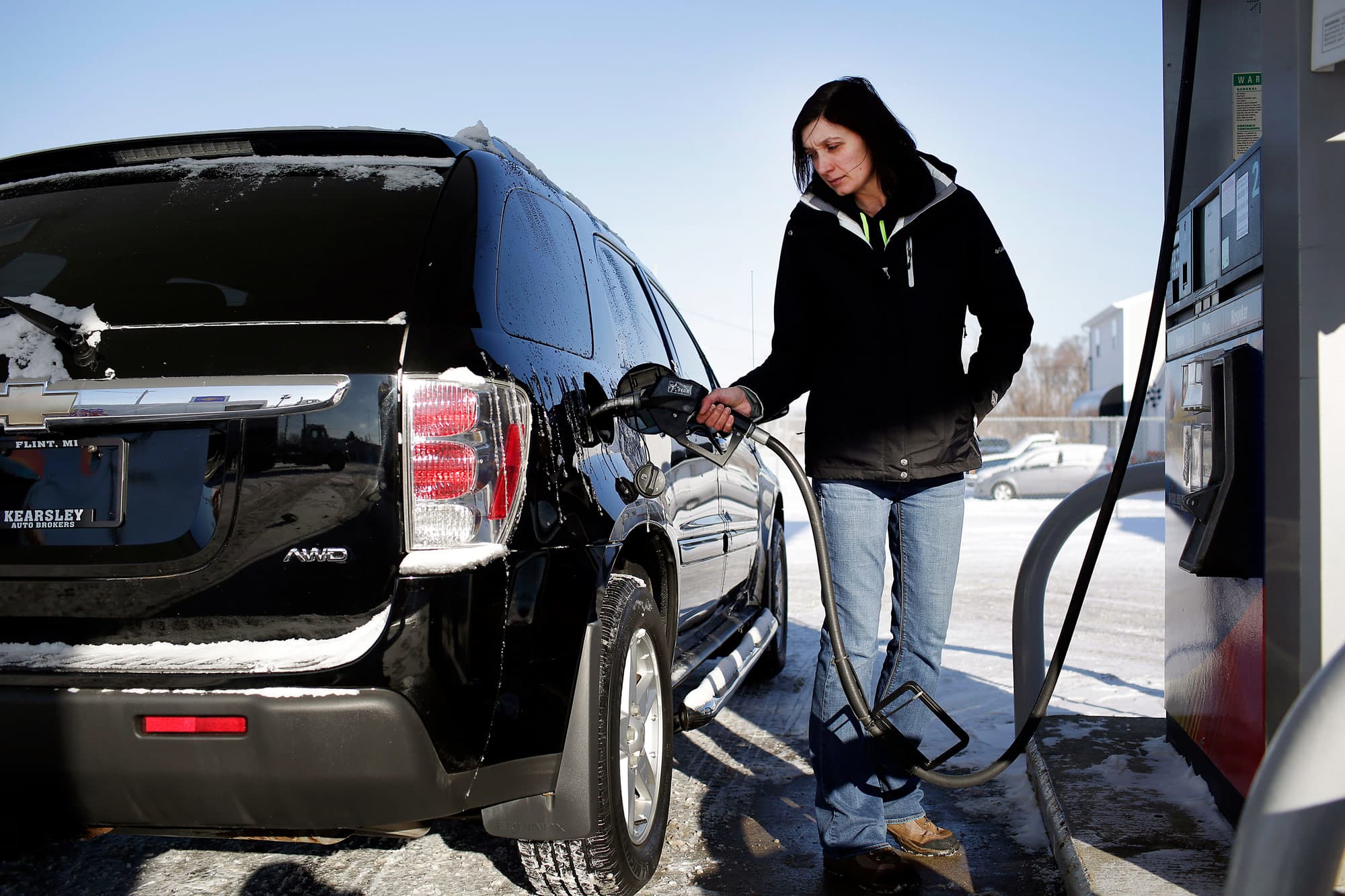
Stephen Stanley, chief economist at Amherst Pierpont, expects higher gasoline prices to be a factor in the consumer price index, which is projected to rise 0.4%. Unleaded fuel prices averaged $ 2.46 per gallon nationwide on Tuesday, down from $ 2.30 per gallon in early January, according to the AAA.
“I expect a bit of weirdness because every month we seem to get this,” said Stanley. “Even if the headline numbers are pretty close to expectations, the categories are ubiquitous because of the pandemic.”
For example, car insurance and used car prices have been volatile. Used vehicle costs could still go down but could rise again in the coming months, Stanley said.
As interest rates have risen recently, the market has also expected higher inflation. Even if it is expected to remain mild, investors are watching for the first signs.
“Inflation has become a much more important part of the market talk, particularly due to the rise in commodity prices and interest rates,” said Peter Boockvar, chief investment officer, Bleakley Advisory Group.
The Federal Reserve has changed its view of inflation and is now looking at a range around its previous 2% target. That means inflation could run a little hotter than the Fed would have previously accepted before the policy tightened – that is, raise interest rates to slow them down.
“The year-over-year numbers will increase significantly in the spring,” said Stanley of Amherst Pierpont. “The Fed has already reported this, so they will ignore it.”
A surge in inflation should occur as prices were measured against March and April when the economy was shut down by the coronavirus pandemic. In the coming months, economists expect that the effects of stimulus spending could put prices under pressure.
“There is a lot of talk about inflation and what inflation will be like on the other side of the pandemic,” Stanley said. “Unfortunately, I don’t think we’ll be talking much until we get to the other side of the pandemic.”
Stanley said rents, for example, have fallen, but the CPI is heavily biased towards urban areas like New York. Rents are falling there, but rising in other regions.

Comments are closed.