

Inflation fell to its lowest level since February 2021 in August, according to a U.S. Labor Department report released on Wednesday, setting the stage for an expected quarter-percentage point interest rate cut by the U.S. Federal Reserve within a week.
The consumer price index, a comprehensive measure of the cost of goods and services in the U.S. economy, rose 0.2 percent during the month, in line with the Dow Jones consensus, the Bureau of Labor Statistics reported.
This brings the inflation rate over the last twelve months to 2.5%, 0.4 percentage points lower than in July, just below the estimate of 2.6% and at its lowest level in 3.5 years.
However, the core CPI, which excludes volatile food and energy prices, rose 0.3 percent during the month, slightly above the estimate of 0.2 percent. The core inflation rate for the next 12 months remained as forecast at 3.2 percent.
While the figures showed that inflation is slowly easing, housing-related costs remain a problem. The housing cost component of the consumer price index, which makes up about a third of the index, rose 0.5 percent, accounting for most of the increase in the overall index. The housing cost index rose 5.2 percent year-on-year.
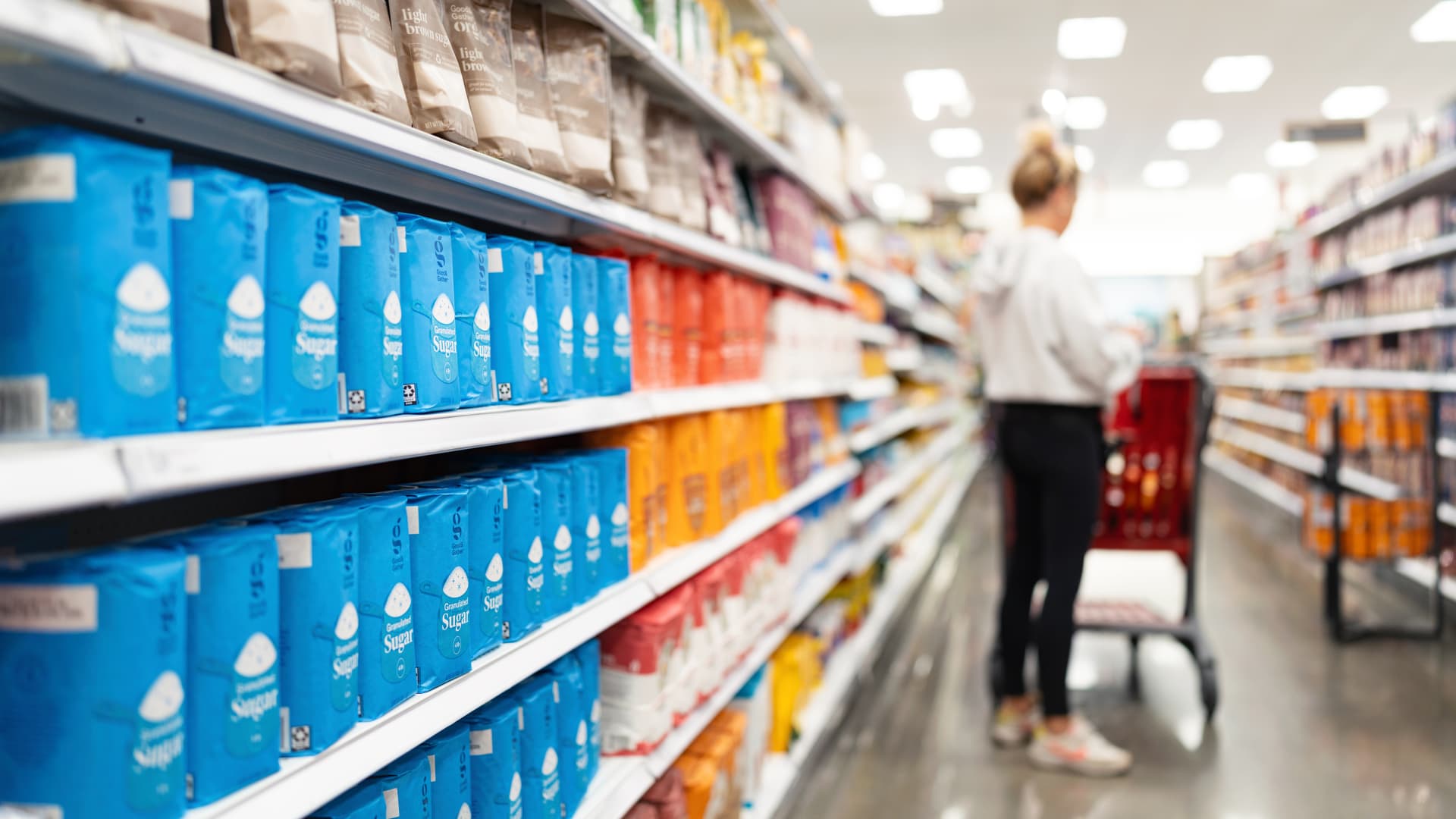
Food prices rose by only 0.1 percent, while energy costs fell by 0.8 percent.
Elsewhere in the report, used car prices are cut by 1%, medical services are reduced by 0.1% and clothing prices are increased by 0.3%.
Stock prices collapsed after the report, but US Treasury yields rose.
In the Fed funds futures market, traders were calculating an 85 percent probability that the Federal Open Market Committee will agree to a quarter of a percentage point, or 25 basis points, rate cut at its September 18 meeting, according to CME Group's FedWatch indicator.
“This is not the CPI the market wanted to see. With core inflation higher than expected, the Fed's path to a 50 basis point cut has become more complicated,” said Seema Shah, chief global strategist at Principal Asset Management.
“The number certainly does not represent an obstacle to policy action next week, but hawks on the committee will likely view today's CPI report as evidence that the last mile of inflation must be addressed with care and caution – a powerful reason to opt for a 25 basis point cut,” she added.
Real wages also rose in the month, with average hourly earnings outpacing the monthly CPI increase by 0.2%, the BLS said in a separate release. On a 12-month basis, inflation-adjusted average hourly earnings rose 1.3%.
But the Fed's attention has recently turned to the weakening labor market. Job creation has slowed since April to nearly half the rate of the previous five months. Central bankers say preventing a broader slowdown is now about as important as battling inflation, which hit its highest level in more than 40 years in the summer of 2022.
Regardless of what the Fed decides at the end of its meeting next Wednesday, markets are already pricing in lower interest rates. Yields on US Treasuries, particularly those with two- and ten-year maturities, are at their lowest levels in over a year. A recession indicator, the so-called inverted yield curve, recently reversed, a move that often heralds both Fed rate cuts and a slowdown in the economy.
Stock chart symbolStock chart symbol
Yield on 10-year US Treasury bonds
Wednesday's report provided further evidence that inflation is easing, even if it is still above the Fed's 2% target. There are areas where prices either remained high or continued to rise.
“Although inflation has eased, that doesn't mean the prices of things people are buying have actually fallen,” said Lisa Sturtevant, chief economist at Bright MLS. “It just means prices aren't rising as quickly. In fact, U.S. consumers are now paying more than 20% more for goods and services than they were before the pandemic.”
For example, airfares rose 3.9 percent in August after falling over the previous five months. Car insurance also continued to rise, increasing by 0.6 percent, bringing the increase over the past twelve months to 16.5 percent. Costs for hospitals and related services rose 0.4 percent, making them 5.8 percent higher than last year.
At the same time, a fall in energy costs has helped to reduce inflation figures. Gasoline lost 0.6 percent in August and is down 10.3 percent year-on-year. This is part of a 4 percent decline in the energy index, which also includes a 12.1 percent drop in heating oil prices.

Comments are closed.