

According to a report from the US Department of Labor published on Wednesday, inflation rose in July as expected. The reason for this is higher housing costs. This means that an interest rate cut in September is likely to remain on the cards.
The consumer price index, a broad-based measure of the prices of goods and services, rose by 0.2 percent during the month, bringing the inflation rate over the past 12 months to 2.9 percent. Economists surveyed by Dow Jones had expected figures of 0.2 percent and 3 percent respectively.
Excluding food and energy, core CPI was 0.2 percent monthly and 3.2 percent annually, in line with expectations.
According to the Bureau of Labor Statistics report, the annual rate is the lowest since March 2021, while the core rate is the lowest since April 2021. Headline inflation was 3% in June.
A 0.4% increase in housing costs accounted for 90% of the overall increase in inflation. Food prices rose by 0.2%, while energy prices stagnated.
Stock market futures were slightly negative following the report, while U.S. Treasury yields were mostly higher.
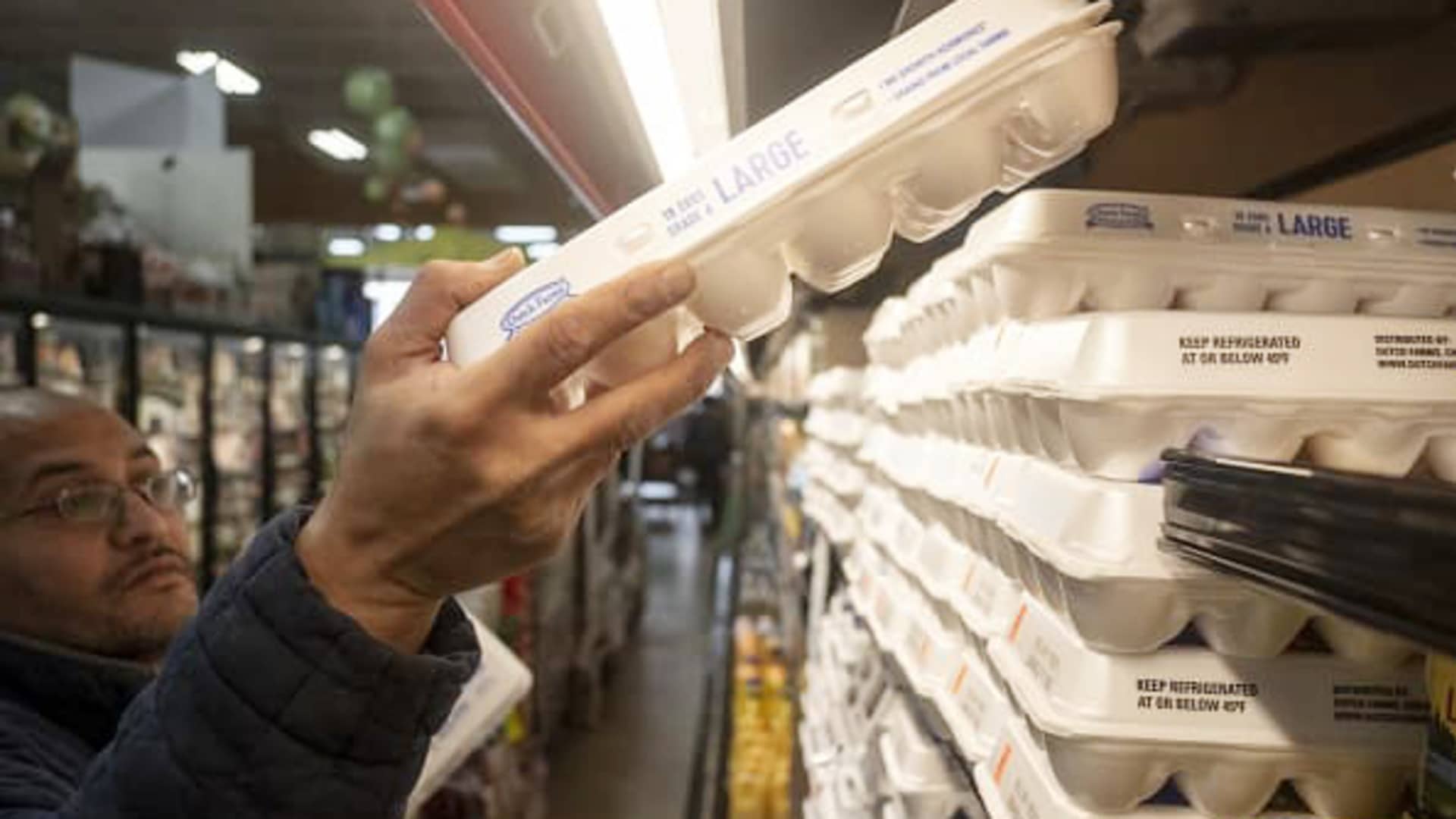
Although food inflation was low last month, there were significant price increases in several categories, most notably eggs, which rose 5.5%. Cereals and bakery goods fell 0.5%, while dairy and related products fell 0.2%.
Inflation numbers are gradually moving back toward the central bank's target of 2 percent. A Labor Department report on Tuesday showed that producer prices, an indicator of wholesale inflation, rose just 0.1 percent in July and 2.2 percent year-on-year.
Fed officials have signaled they are ready to ease but have not committed to a specific timetable or speculated on the pace of cuts. Prices in futures markets currently suggest there is a slightly higher probability of a quarter-percentage-point cut at the Fed's next scheduled meeting on Sept. 17-18, and at least a full percentage point cut by the end of 2024.
“Today's CPI reading removes any remaining inflation obstacles that may have prevented the Fed from starting to cut rates in September,” said Seema Shah, chief strategist at Principal Asset Management. “However, the number also suggests that a 50 basis point cut is not necessarily urgent.”
With inflation easing, growing concerns about a weakening labor market appear to increase the likelihood that the Fed will begin cutting interest rates for the first time since the early days of the Covid crisis.
“Things are going downhill, but the hot spots remain hot,” said Liz Ann Sonders, chief investment strategist at Charles Schwab, in describing the CPI report. “We need to keep a close eye on both the inflation data and the employment data.”
The report contained several countercurrents that indeed suggest that inflation remains stubborn in some areas.
Auto prices continued to fall. New cars fell 0.2 percent, while used cars and trucks lost 2.3 percent month-over-month and 10.9 percent year-over-year. However, auto insurance costs rose another 1.2 percent and are up 18.6 percent on a 12-month basis.
On the housing component, which makes up more than a third of the index, a point that asks owners how much rent they could afford rose 0.4 percent and posted a 5.3 percent year-on-year increase, again bucking Fed expectations for an easing in housing-related costs.
On the other hand, several categories showed signs of deflation during the month, including medical services (-0.3%), clothing (-0.4%) and core commodity prices (-0.3%).

Comments are closed.