

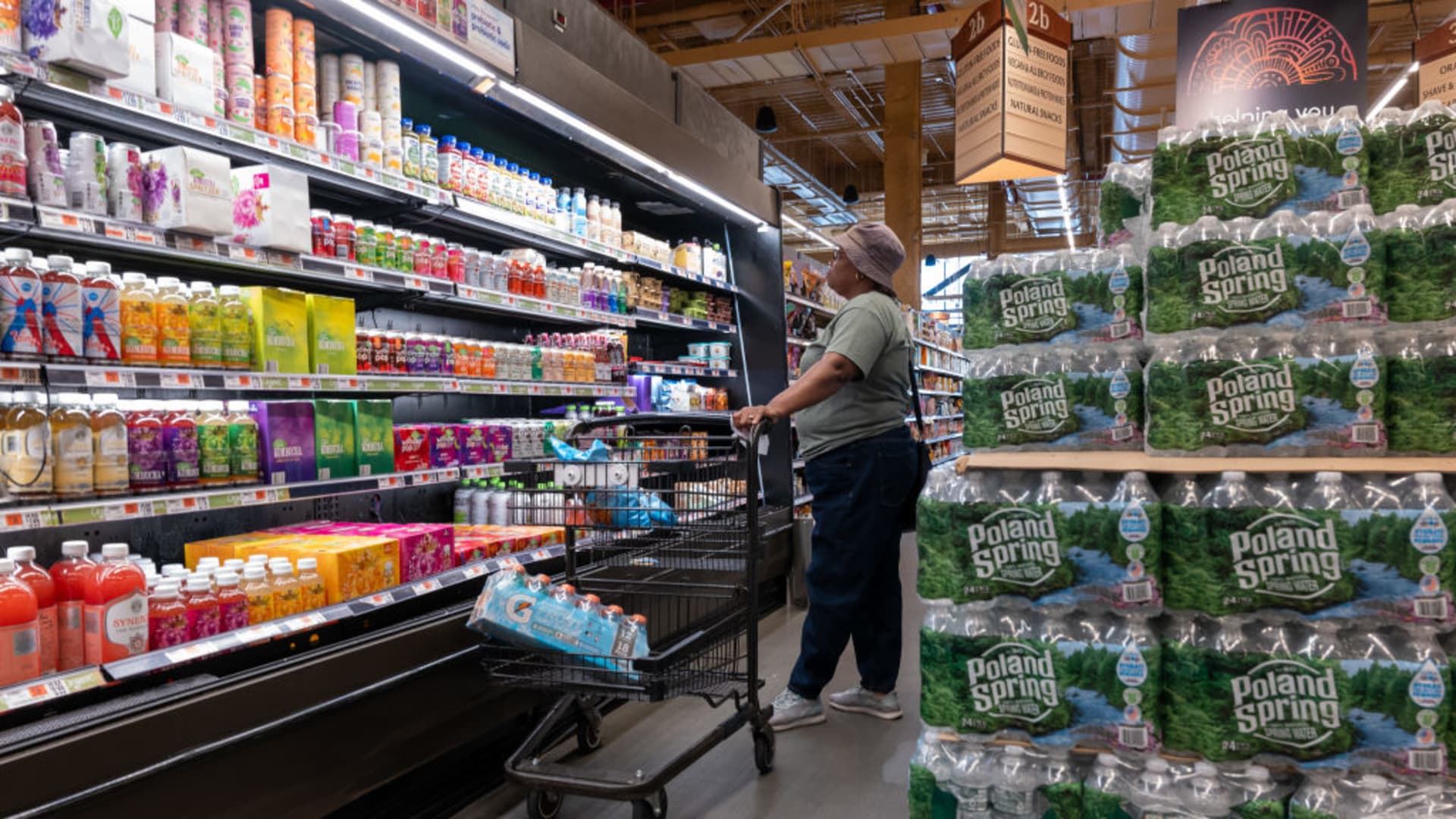
According to an initial estimate by the US Department of Commerce on Thursday, economic activity in the US was significantly stronger than expected in the second quarter. It was driven by strong consumer and government spending as well as a significant buildup of inventories.
Real gross domestic product, a measure of all goods and services produced between April and June, rose by 2.8 percent after adjusting for seasonal and inflation effects. Economists surveyed by Dow Jones had expected growth of 2.1 percent after an increase of 1.4 percent in the first quarter.
According to the first of three estimates the ministry will release, consumer spending contributed to the increase in growth figures, as did contributions from private inventory investment and non-private fixed investment.
Personal consumption expenditures, the main indicator of consumer activity in the Bureau of Economic Analysis report, rose 2.3% in the quarter, compared with the 1.5% acceleration in the first quarter. Spending on both services and goods posted solid gains in the quarter.
Inventories also made a significant contribution, adding 0.82 percentage points to the overall gain. A tailwind also came from government spending, which rose 3.9 percent at the federal level, including a 5.2 percent increase in defense spending.
On the other hand, imports, which reduce GDP, rose 6.9 percent, the largest quarterly increase since the first quarter of 2022. Exports rose only 2 percent.
Stock market futures rose after the report, while U.S. Treasury yields fell.
“The composition of growth was one of the better mixes we have observed in some time,” said Joseph Brusuelas, chief economist at RSM. The report “tends to support the notion that the American economy is in the midst of a productivity boom that will, over the medium term, raise living standards across the country through lower inflation, low employment and rising real wages.”
There was some good news on the inflation front: The personal consumption expenditures price index, a key indicator for the Federal Reserve, rose 2.6% in the quarter, compared with a 3.4% increase in the first quarter. Excluding food and energy, core personal consumption expenditures prices, which the Fed focuses on even more as a long-term inflation indicator, rose 2.9%, compared with a 3.7% increase in the prior period.
The so-called chain-weighted price index, which takes into account changes in consumer behavior, rose 2.3 percent in the quarter, below the estimate of 2.6 percent.
Treasury Secretary Janet Yellen viewed the GDP report as “confirmation of our path toward steady growth and declining inflation” in a speech in Rio de Janeiro on Thursday morning.
Another key variable, final sales to private domestic buyers, which the Fed considers a good indicator of underlying demand, accelerated by 2.6%, the same as in the previous quarter.
However, the report also pointed out that the private savings rate continued to decline, standing at 3.5 percent in the quarter, compared to 3.8 percent in the first quarter.
Recently, there have been signs of cracks in the consumer image.
A report released Wednesday by the Federal Reserve Bank of Philadelphia showed that credit card balances are at an all-time high since 2012. Revolving debt balances also hit a new high, even as banks reported tighter lending standards and a decline in new credit card issuance.
However, retail sales continue to rise, suggesting that consumers are weathering the headwinds of high interest rates and persistent inflation.
The housing market is also under pressure: sales are declining while property prices continue to rise, putting pressure on first-time buyers.
Federal Reserve officials are expected to leave interest rates unchanged at their meeting next week, even though market prices point to the first cut in four years in September. Policymakers have been cautious about when they might start cutting rates, even though recent comments suggest a greater willingness to ease monetary policy, and most central bankers have said they think further rate hikes are unlikely.
In other economic news Thursday, the Labor Department reported that initial jobless claims totaled 235,000 for the week ending July 20, down 10,000 from the previous week and right in line with the Dow Jones forecast. The number of continuing claims, which go back a week, fell slightly to 1.85 million.
Orders for durable goods – generally expensive items such as aircraft, appliances and computers – also unexpectedly fell 6.6 percent in June, compared with forecasts for a 0.3 percent increase. However, excluding transportation, new orders rose 0.5 percent.

Comments are closed.